


The workshop

AI does the work. I make the calls.

People judge AI harshly, from two directions at once. Here you can see what it looks like for me: what the machine does, what I do, and with which tools. Some of those I made myself.

What this is about

Two things that always come up.

Both are fair questions. That is why they go first, with an answer instead of a shrug.

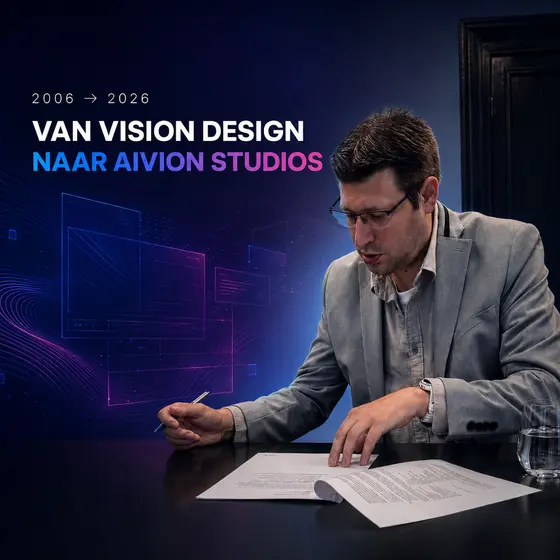
Michael at a table with old designs: from Vision Design to Aivion Studios

“AI takes jobs away.”

The work is changing, true. Denying that would be odd, because I am the designer and the developer who used to do this job. My own trade shifted under me.

What disappeared was mostly the waiting: the weeks between a good idea and something that works. What did not disappear are the decisions. Those got heavier, because more comes out faster, and somebody still has to decide what ships and what does not.
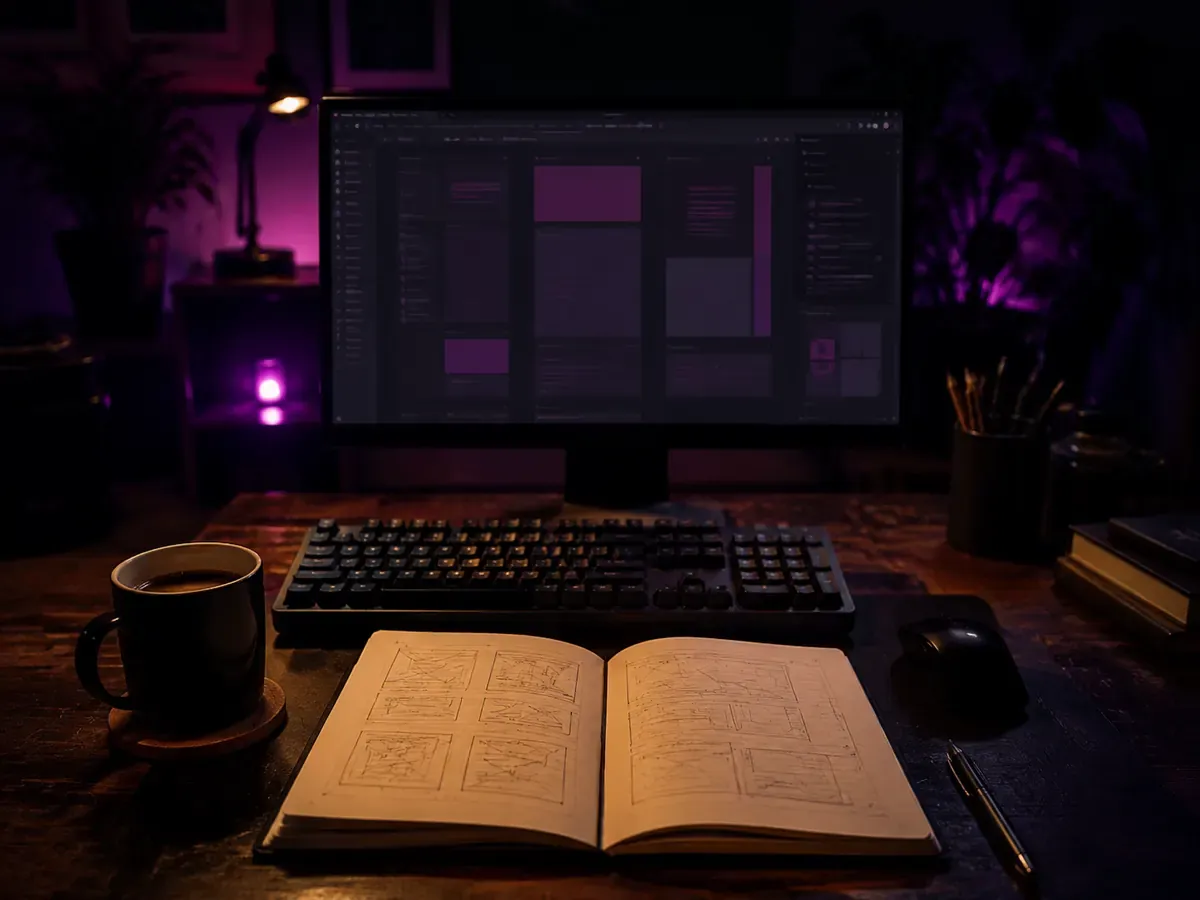
“I could do that too. One prompt and done.”

One prompt gets you something that looks good. That is not the same as something that stays up with a thousand people on it, with money running through it, or when it needs changing a year from now.

The difference is not in the first version. It is in the hundred decisions after it, and in knowing which of the four suggestions to refuse. No prompt helps with that. Experience does.

From idea to live

The prompt is step four.

Five steps, and who does what in each. You can see straight away where the machine is strong and where it has no business being.

  1. 01

    The idea

    Why does this thing exist, who is it for, and what must it never become. No screen and no line of code involved yet.

    nothingeverything
  2. 02

    The structure

    What gets stored, how it connects, and what we deliberately leave out. The dullest step by far, and by far the most expensive to fix later.

    proposes a setupdecide what goes in
  3. 03

    The look

    How it looks and how it feels. A model gives you ten variations in seconds. Nine of them are tidy, correct, and exactly what everyone already has.

    delivers variationsbin nine of them
  4. 04

    Building

    Only here does the machine really get to work, writing most of the code. Not in one instruction, but in hundreds of small ones, file by file, with me in between.

    writes most of itsteer, file by file
  5. 05

    Checking and running

    Does it work, is it safe, and does it hold up when somebody pulls at it. After that it has to keep running for months on a server that is mine.

    reviews alongam accountable

Under the hood

What I watch for.

Six things a model does not get right on its own. None of these mistakes show up if you only look at the screen.

A magnifier on a database diagram, with a padlock, a backup drive and notes
01

The database

A model proposes a setup that works fine with ten users and grinds to a halt at ten thousand. I look at what is going into it: which data, how it connects, and where searching has to stay fast.

02

Where your data stays

BankBird reads bank statements. Data like that does not go to some other party, and is not used to train models. I decide per field what gets kept and what goes straight out.

03

Security

Code that works is not the same as code that is safe. I go through who may see what, what happens with odd input, and whether anyone can reach data that is not theirs.

04

Back-ups that work

A daily back-up is the easy part. The real work is checking now and then that you can actually restore from it, because a back-up you have never restored is an assumption.

05

What you pull in

A model happily solves a problem by pulling in ready-made parts from other people. Every part is something you did not write and still have to trust. I keep that list short.

06

Speed and weight

This site once had a list of small images 108 pixels wide that quietly loaded 10 MB of originals. Everything worked, everything looked good, and on a phone it crawled.

A hand marks up printed designs with a red pencil

The limit

What AI does not do.

Fair is fair. These are the places where the model leaves you standing, and where the work stays plain old work.

  1. It does not know what you mean

    Only what you type. Half explained means half built, and the model will not say a word about it.

  2. It invents with confidence

    An answer that makes no sense sounds exactly as certain as one that is right. You have to know yourself which of the two you are reading.

  3. It has no taste

    It neatly averages everything that already exists. That is precisely why so many AI sites look alike, and why most of it ends up in my bin.

  4. It carries no responsibility

    When something falls over on a Sunday evening, no model gets up to fix it. I do, with my name on it.

  5. It does not remember your project

    Why something was built a certain way three years ago is nowhere inside a model. It is in the maker's head, or it is gone.

No key held hostage

And if AI disappears tomorrow?

  • PHP
  • Laravel
  • JavaScript
  • HTML
  • CSS
  • MySQL

Then nothing about the code changes. Everything I develop sits in languages and frameworks that have been around for decades. No invented language, no trick that only works for me, and no black box nobody can look into.

A developer you hire next year opens the folder and sees a project they recognise. They do not need to use AI themselves to carry on with it. That is exactly the point: you are not tied to me, and not to a model.

All of it tooling every web developer knows. Here AI is the accelerator, not the foundation.

AI-playground

Playing with images.

What happens when I spend an evening with Midjourney and ChatGPT. Brand images, concepts that never went further, short loops, and me in worlds I will never visit. Click an image to see it large.

With fan art, the worlds, characters and logos belong to their own makers. These images are play: not a commission and not a collaboration.

Toolkit

Where the work gets made.

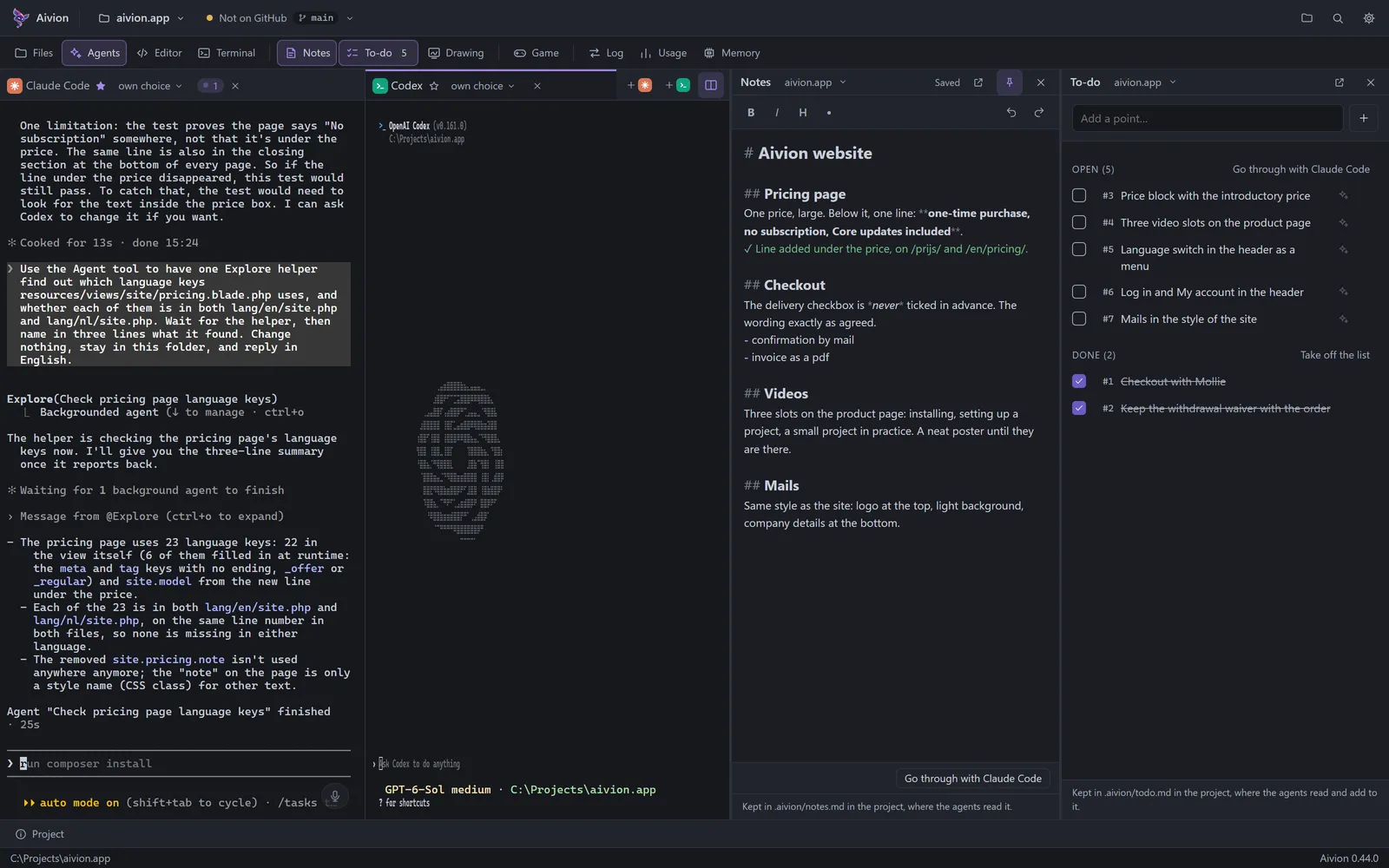
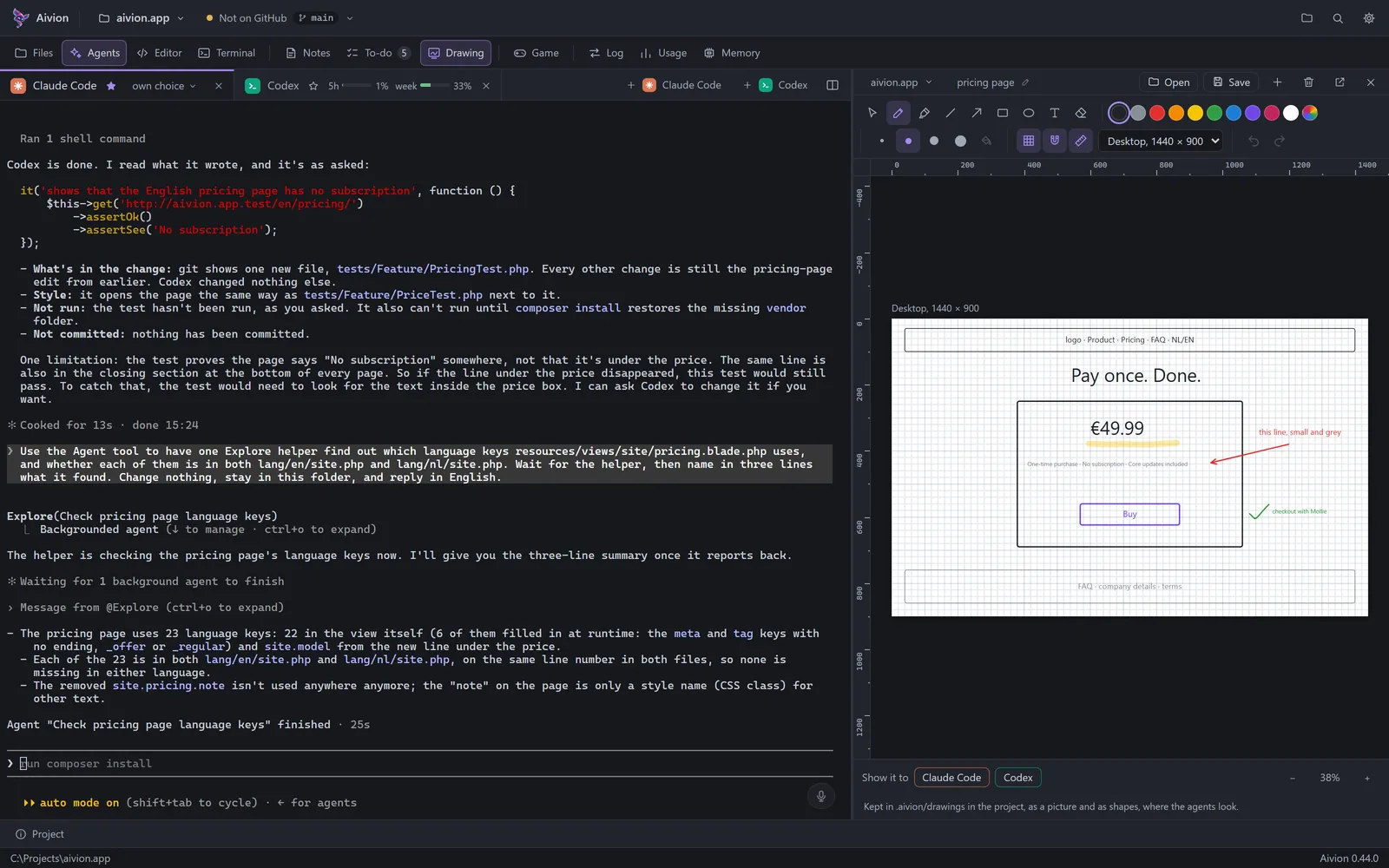
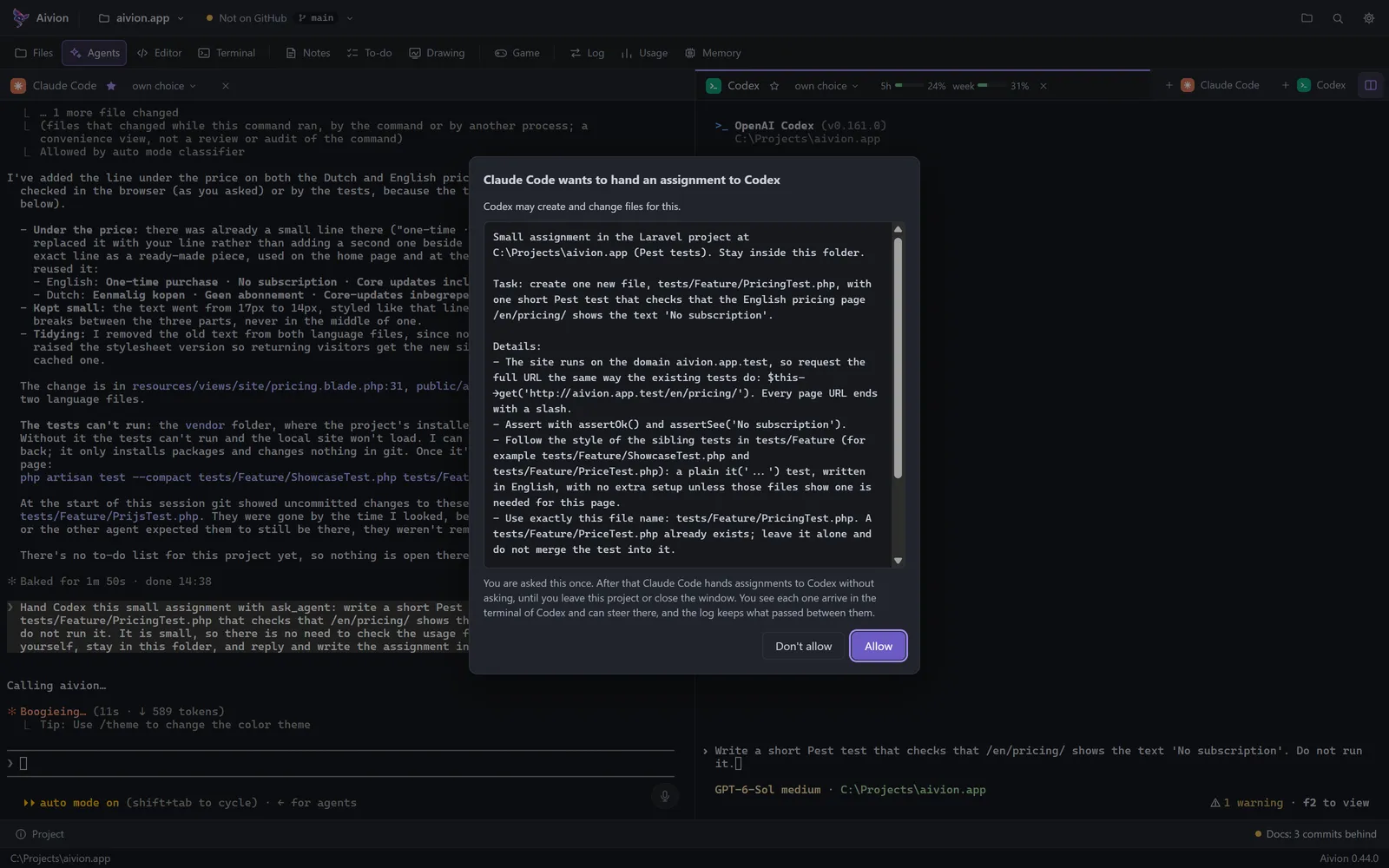
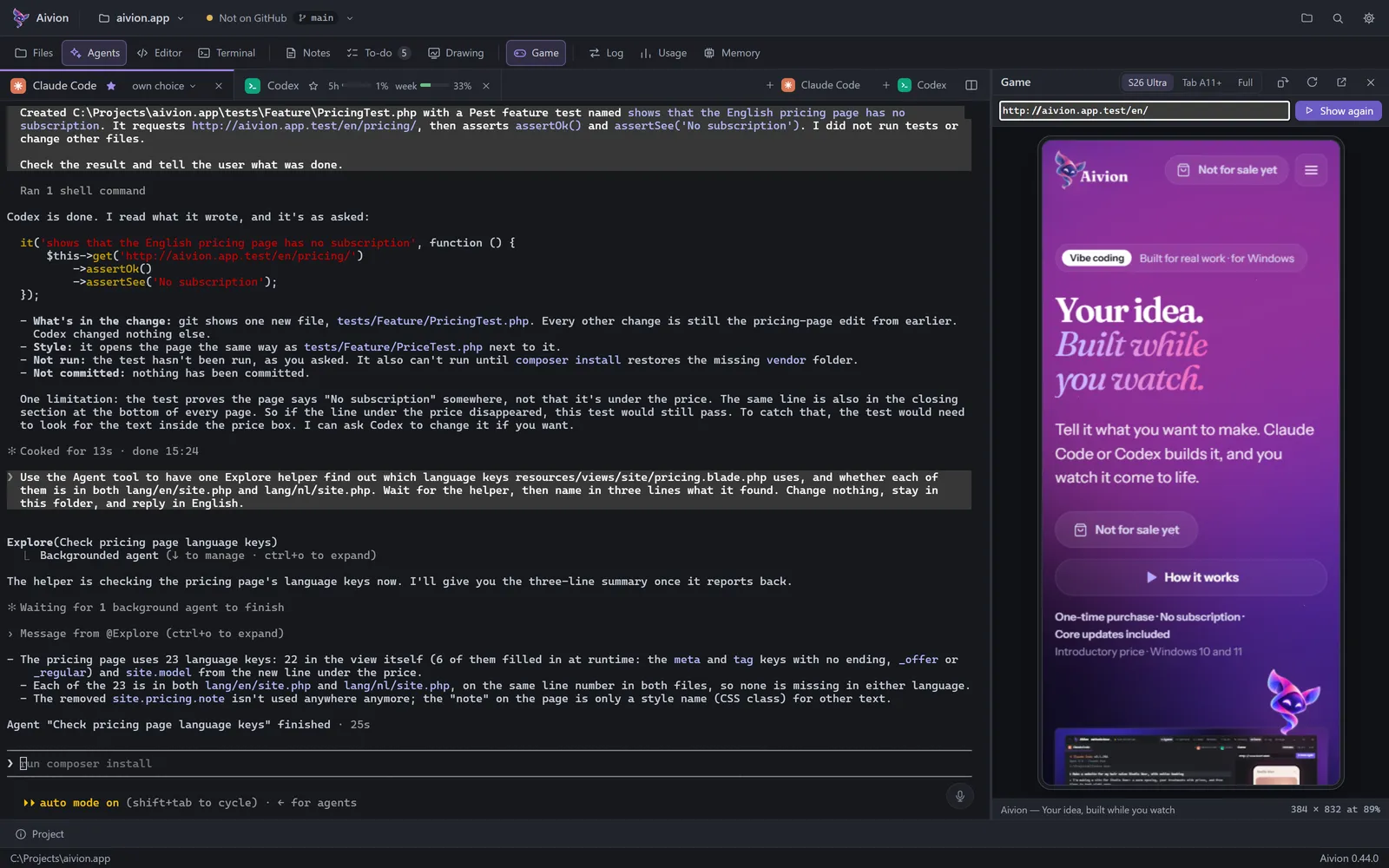
The models and the software alongside them. Each with a job of its own.

Questions about how I work? Ask away.

Get in touch